Program Info
Intimate Observer:
Family Portrayals
Film by Marjorie Keller (1950 - 1994)
Sunday, October 4th · 2:30PM
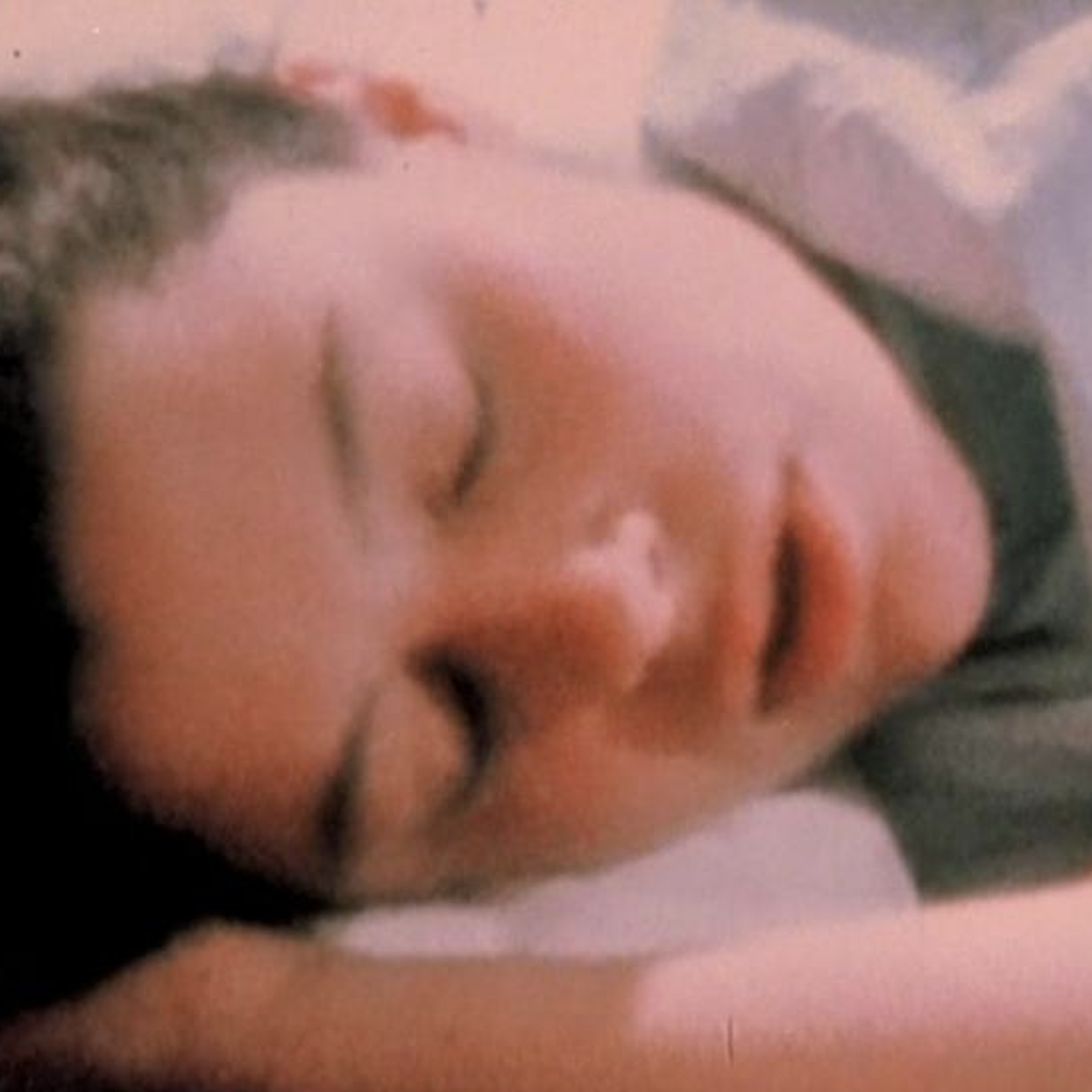
The RPM Festival and the Art Department and Cinema Studies Program at UMass-Boston are proud to co-present "Intimate Observer: Family Portrayals," a program featuring four films by Marjorie Keller (1950 - 1994). The screening will take place on October 4th at 2:30 PM at The Brattle Theatre in Cambridge, MA.
Marjorie Keller (1950–1994) was an experimental filmmaker, author, activist, film scholar. J. Hoberman called her "an unselfish champion of the avant-garde."
Local filmmaker Saul Levine and film Scholar Sarah Keller will introduce the program, and a short Q&A will follow the screening. All newly restored digital files have been provided by the Filmmakers' Cooperative in New York City.
Special thanks to Steve Anker, Robin Blaetz, Scott Hammen, and Sarah Keller for their support in making this screening possible.
She/Va
16 mm to HD, color, silent, 3 min, 1973
Turtle
Regular 8mm, color, silent, 2.5 min, 1969
Misconception
16mm to HD, color, sound, 43 min, 1977
Ancient Parts/Foreign Parts
16mm to HD, color, B/W, silent, 5min, 1979
Objection
16mm, color, sound, 18.25 min, 1974
Daughters of Chaos
16mm, color, sound, 19.5 min, 1980
Total Runtime: 90 min
Intimate Observer:
Family Portrayals
In her brief life, Marjorie Keller made nearly thirty films in her own distinctive cinematic voice. From her earliest efforts in the late 1960s, Marjorie was attracted to film’s potential to portray the complexity of private events and personal relationships, mostly in response to family life. Her gestural and vivid camerawork, along with an intricate approach to poetic editing, created a body of work that is unsurpassed in its intimacy and conveyance of feelings and concerns.
Marjorie’s subjects included her old family house, young women friends, childhood fantasy figures, lovers, siblings, teenage girls, her parents, and her husband. Issues sprang naturally from sharing her life with the people and places that she knew, and their range is astonishing: childbirth, sexuality, memory, the cultural roles women, political activism, the sensuality of daily objects, urban survival, rural pleasures and the values of classical tradition. While deeply influential on both feminist art and the culture of personal experimental filmmaking, Marjorie’s art exists beyond categorization or reductive explanation. It is alive with multiple, often-contradictory meaning and remains a personal experience.
More than half of Marjorie Keller’s films were made with Regular 8mm or Super-8mm equipment, and these ‘small-gauge’ home-movie mediums provided an immediacy and fragility that were perfectly suited to her interests. While she later made more ambitious, 16mm poetic-essays (Daughters of Chaos, The Answering Furrow, Herein), she returned to the simplicity of 8mm throughout her career.
-- Steve Anker, CalArts Film/Video Faculty, Co-Curator, Film at REDCAT
She/Va
16 mm, color, silent, 3 min, 1973
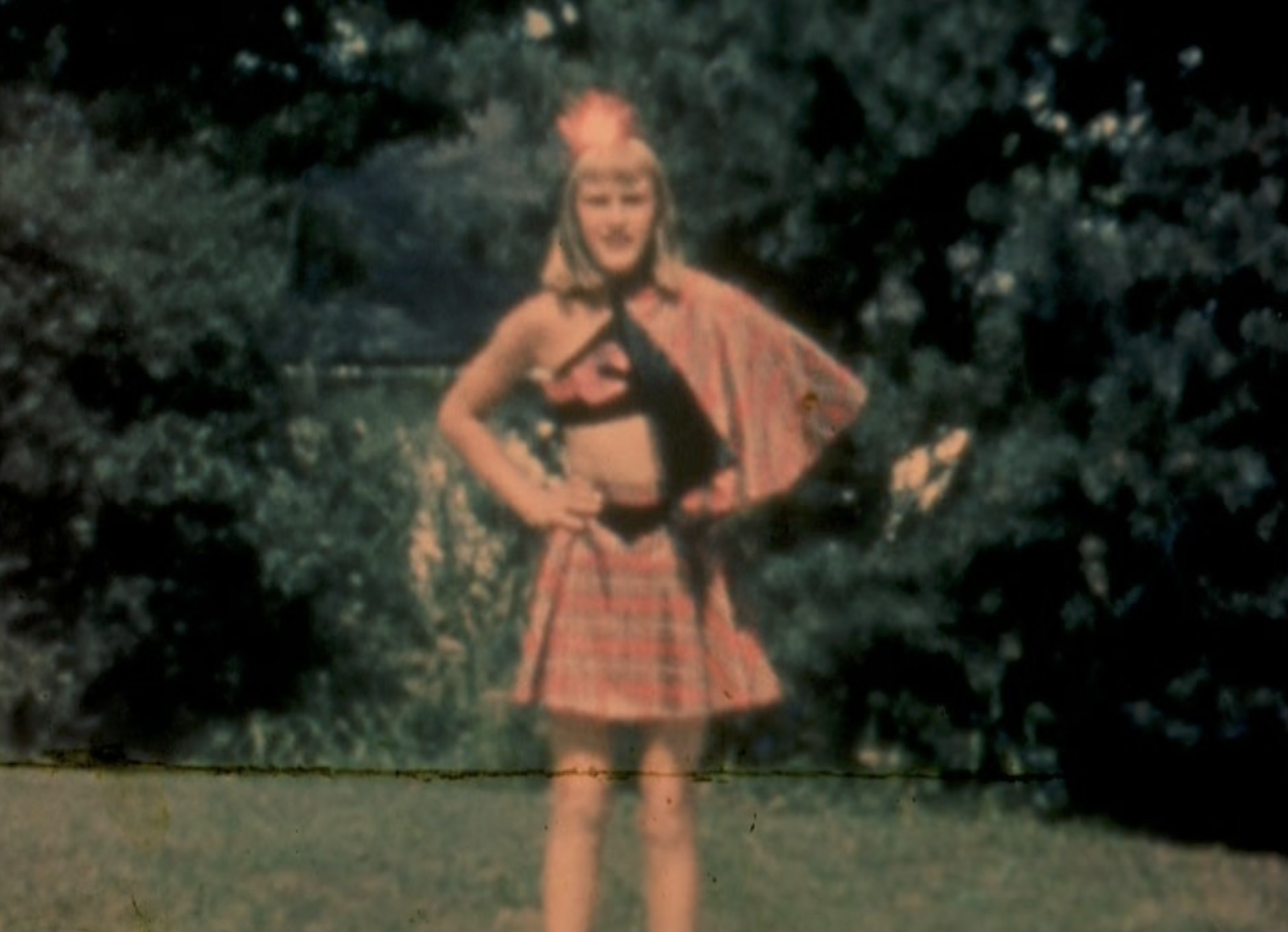
A young dancer rechoreographed through film editing. This film was originally made in standard 8mm, from a home movie.
Turtle
1969
Regular 8mm, color, silent, 2.5 min
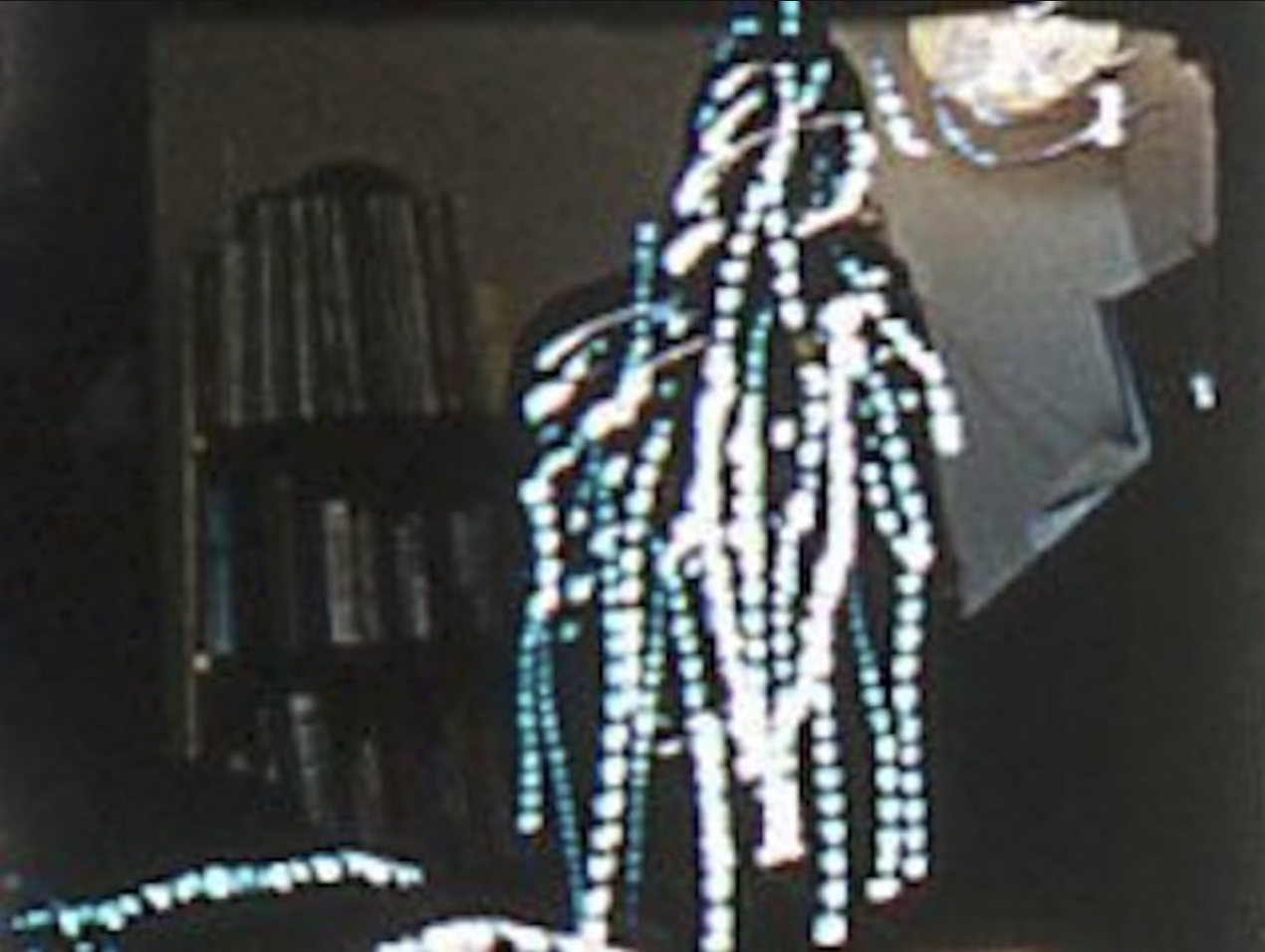
A life-light guilt trip, tragicomic psychodrama in the film time. Made in the darkness of my year in a women's dormitory. 1969, tufts University, Medford, Mass. –M. K.
Misconception
16mm, color, sound, 43 min, 1977
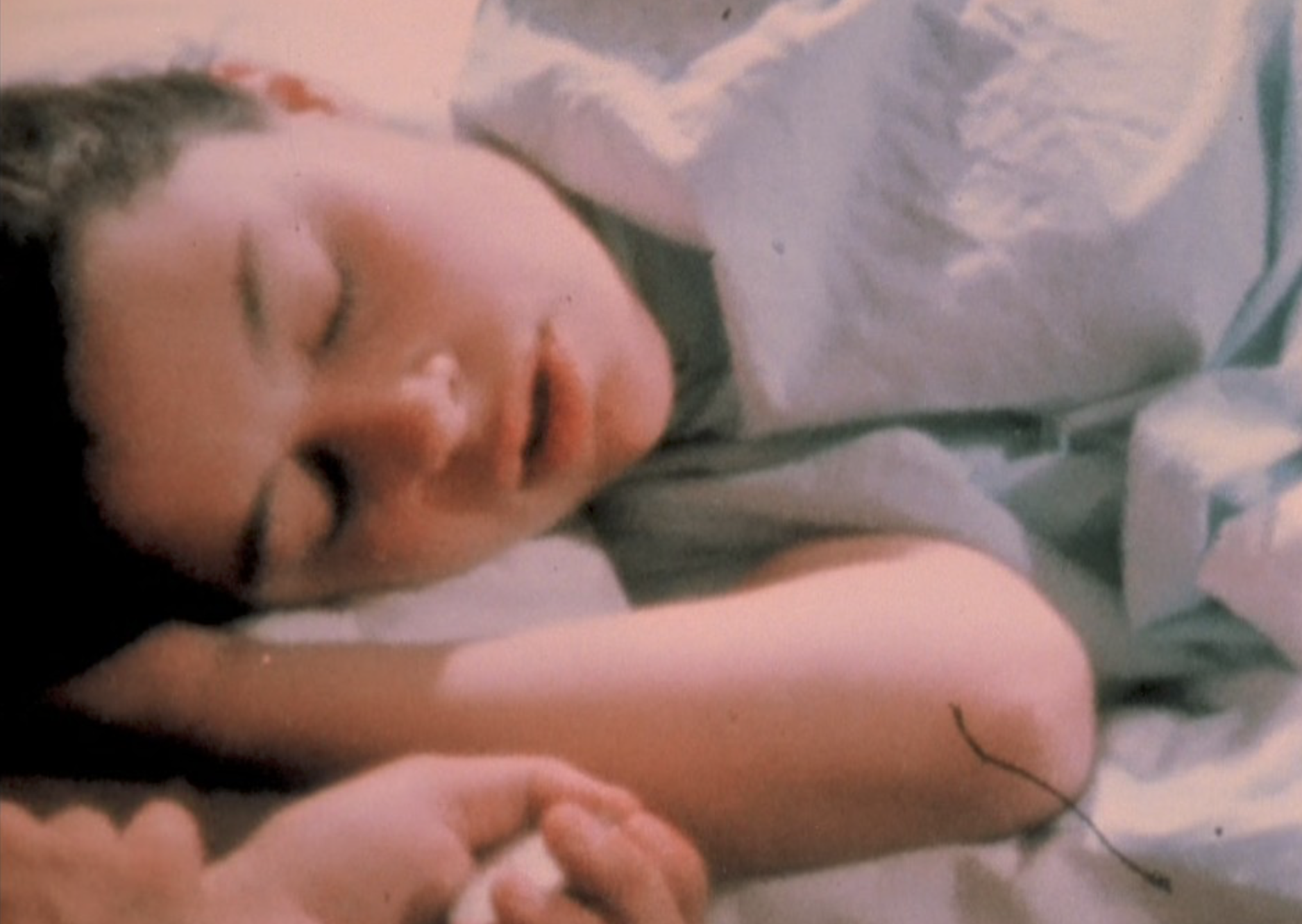
"MISCONCEPTION is a film structured on juxtapositions: indoors/outdoors; redecoration/destruction; exercises/actual birth; male opinion/female opinion; preparation/pain. Its montage structure of both image and sound balances MISCONCEPTION on the precarious moment, like birth, between these counterposed positions: conception/misconception, point/counterpoint." – Anne Friedberg "MISCONCEPTION is composed of six parts that together chronicle the experience of one woman and her husband during the course of her natural childbirth. The film communicates the precision and care with which it has been assembled. (The) structure lends the film a pacing rhythm that has less to do with traditional cinema-verité documentary or film journalism than with the pacing and rhythm of poetry." – B. Ruby Rich
Ancient Parts/Foreign Parts
16mm, color, B/W, silent, 5min, 1979
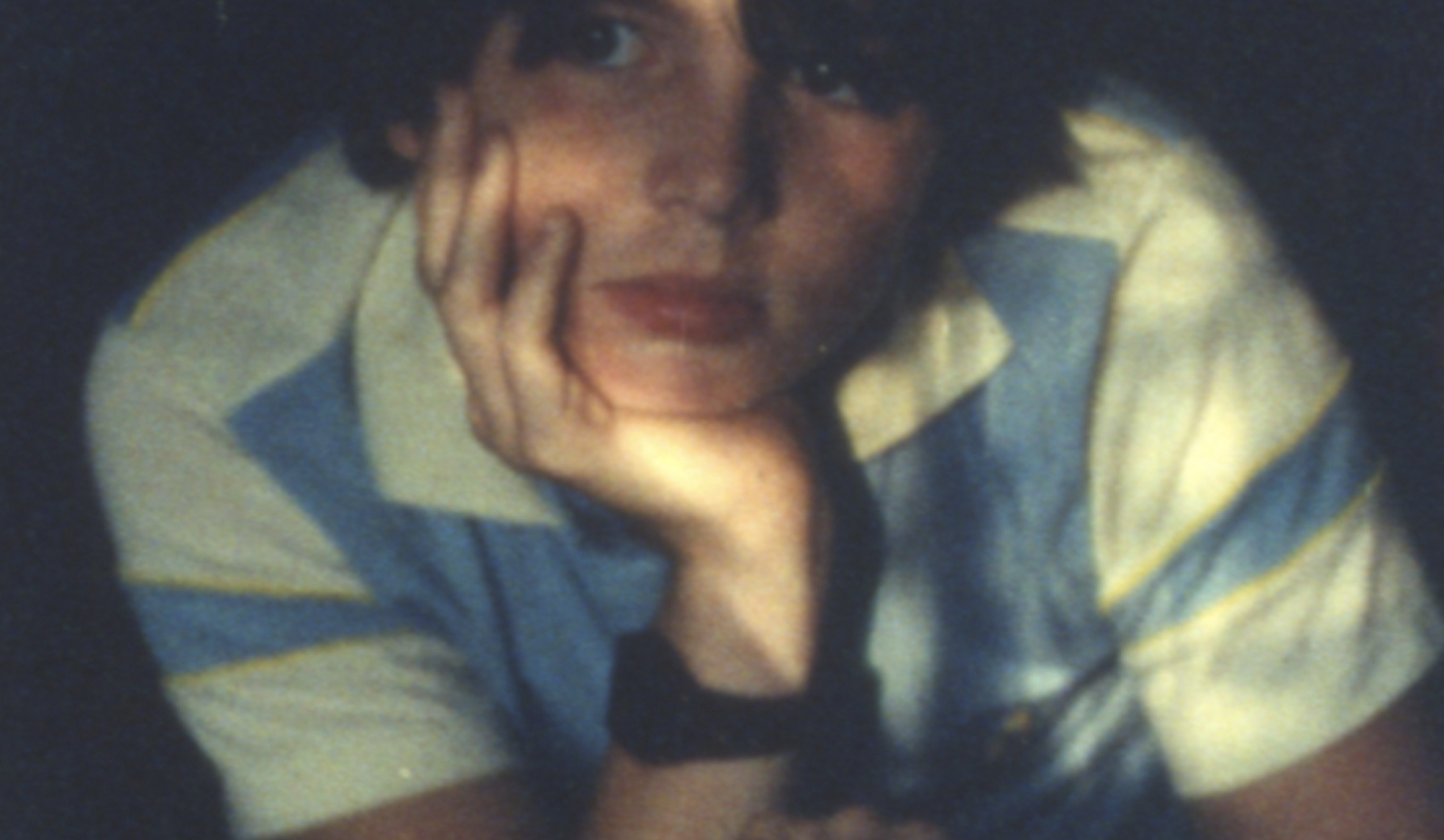
The first two in a series of in-camera edited films. ANCIENT PARTS portrays the symbolic differentiation and mock conquest of a boy and his mother. ... I watched the boy play Narcissus and Oedipus in three minutes. The small camera, the fact that we had all lived together for so long (during the shooting of MISCONCEPTION), the rich golden grain of the film all provide the privilege of intimacy.
FOREIGN PARTS portrays the poetics of family life in an unfamiliar context. FOREIGN PARTS is a single camera roll. Many people go home to foreign parts: a few familiar faces in a strange landscape. In such circumstances the ordinary is the most precious, given a slight shift of being in its new context. All we can glean from the experiences are a few new memories built on old images. Using a camera at such times is refined work; raw intuition works better than careful planning.
Objection
16mm, color, sound, 18.25 min, 1974
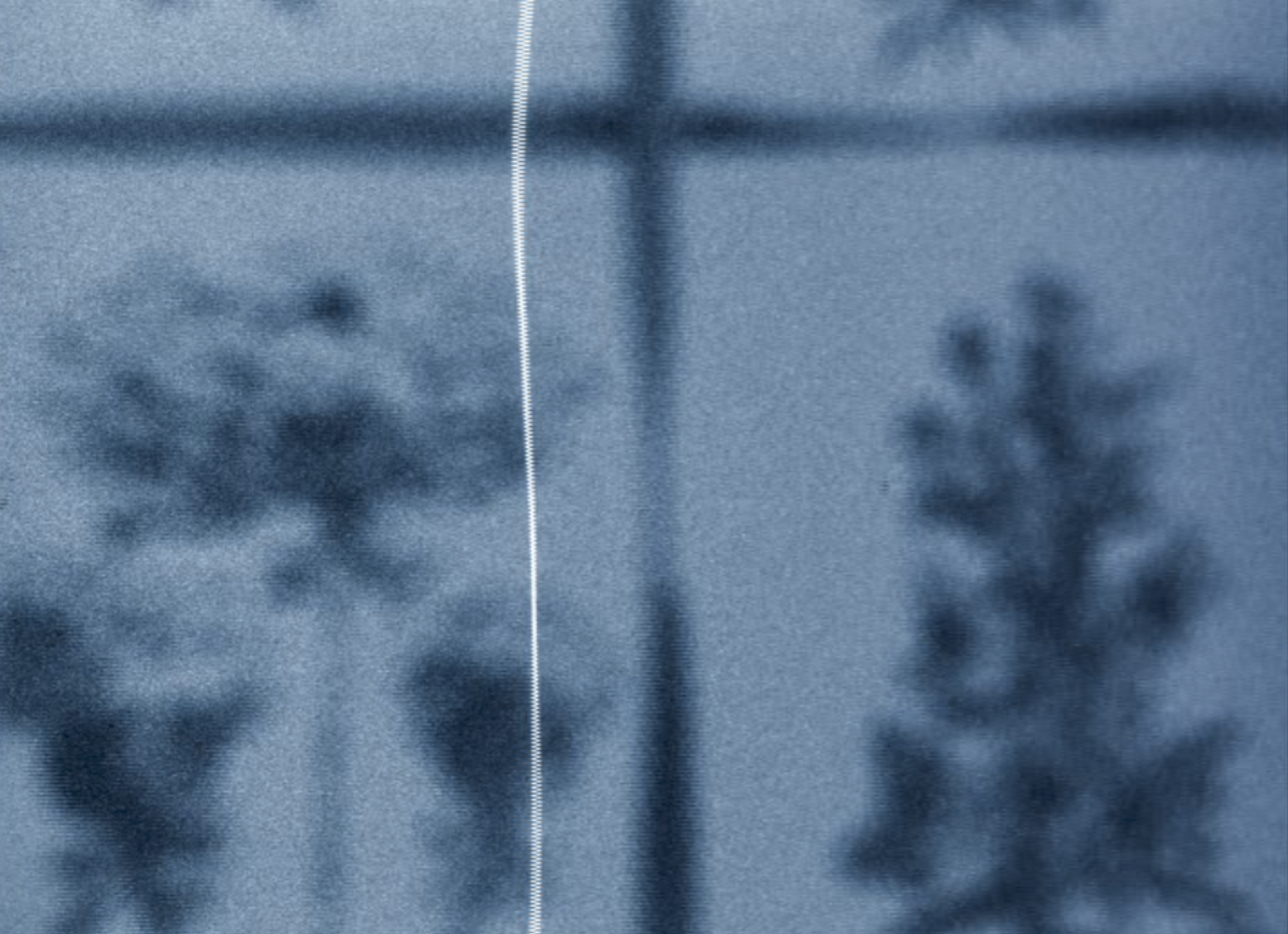
Begun as a document for insurance purposes, OBJECTION catalogues the contents of a house with ever-increasing horror. The soundtrack carries the voices and sounds of the family unseen.
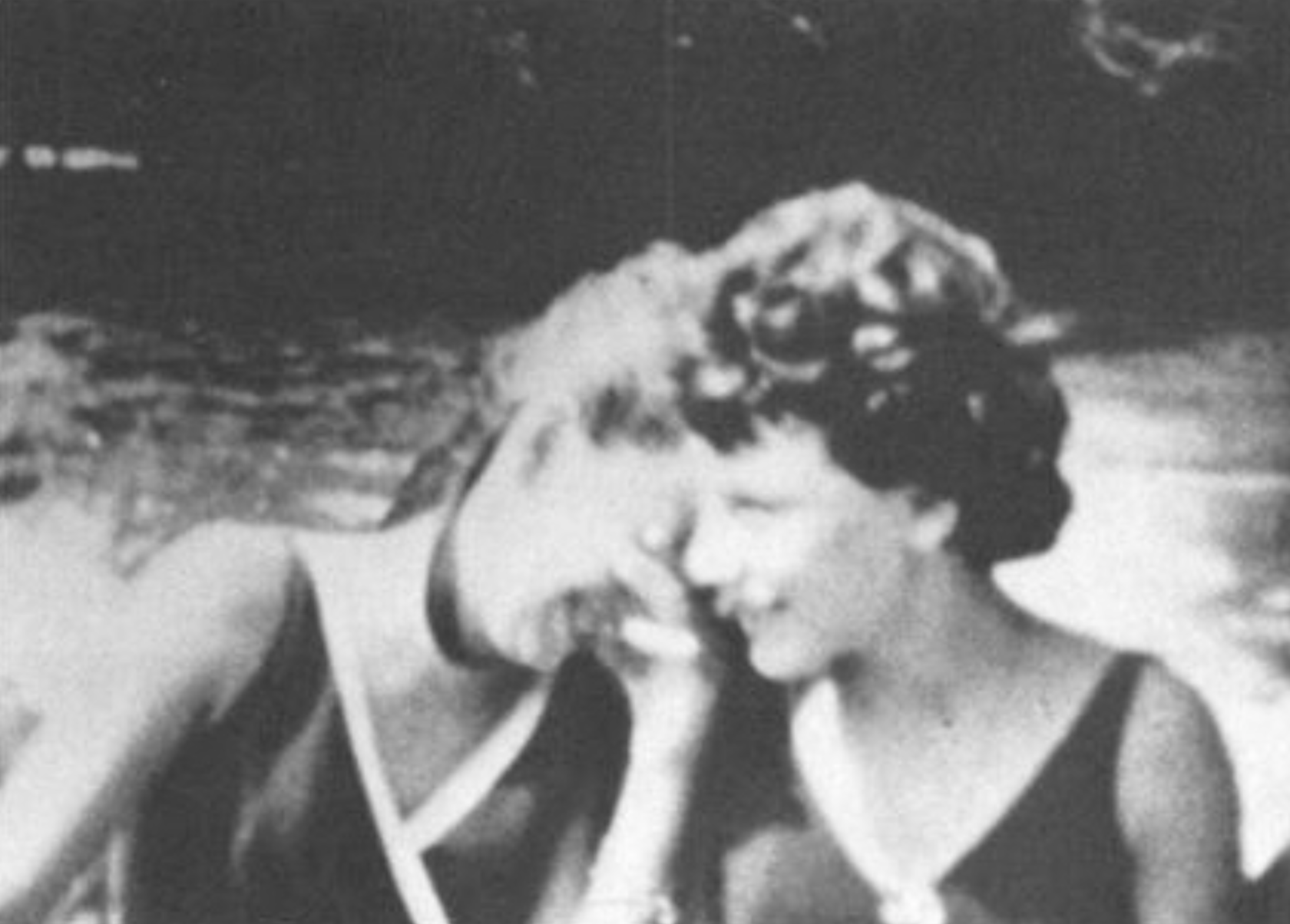
Daughters of Chaos
16mm, color, sound, 19.5 min, 1980
CATALOGUE / DAUGHTERS OF CHAOS
About
"The film deals simultaneously with girls becoming women, woman looking back on her childhood. It is pervaded with voluptuousness, with longing: the woman, disappointed in love, looking for lost innocence, the girl yearning for the power of her sex." – Anne Becker
"A circling around female adolescence in America. The film pulses with images and sounds the praise and bemoan the loss of the potential of youth."–M.K
RPM FESTIVAL Foundation is a 501(c)(3) organization that depends on grants and donations.
Please consider making a tax deductible gift.
Partners & Sponsors
Revolutions Per Minute Festival is co-hosted by Art and Art History Department and Cinema Studies at UMass-Boston,
MFA Boston, Goethe-institut Boston, Brattle Theatre in Cambridge & Harvard FAS CAMLab.
RPM Festival 2025-2026 presented with the support of a Festivals Grant from the Massachusetts Cultural Council.
RPM Series at Boston City hall presented with the support of a grant from Mayor's Office of Arts & Culture.
The RPM Awards are co-presented with the Cinelab, Boston.